
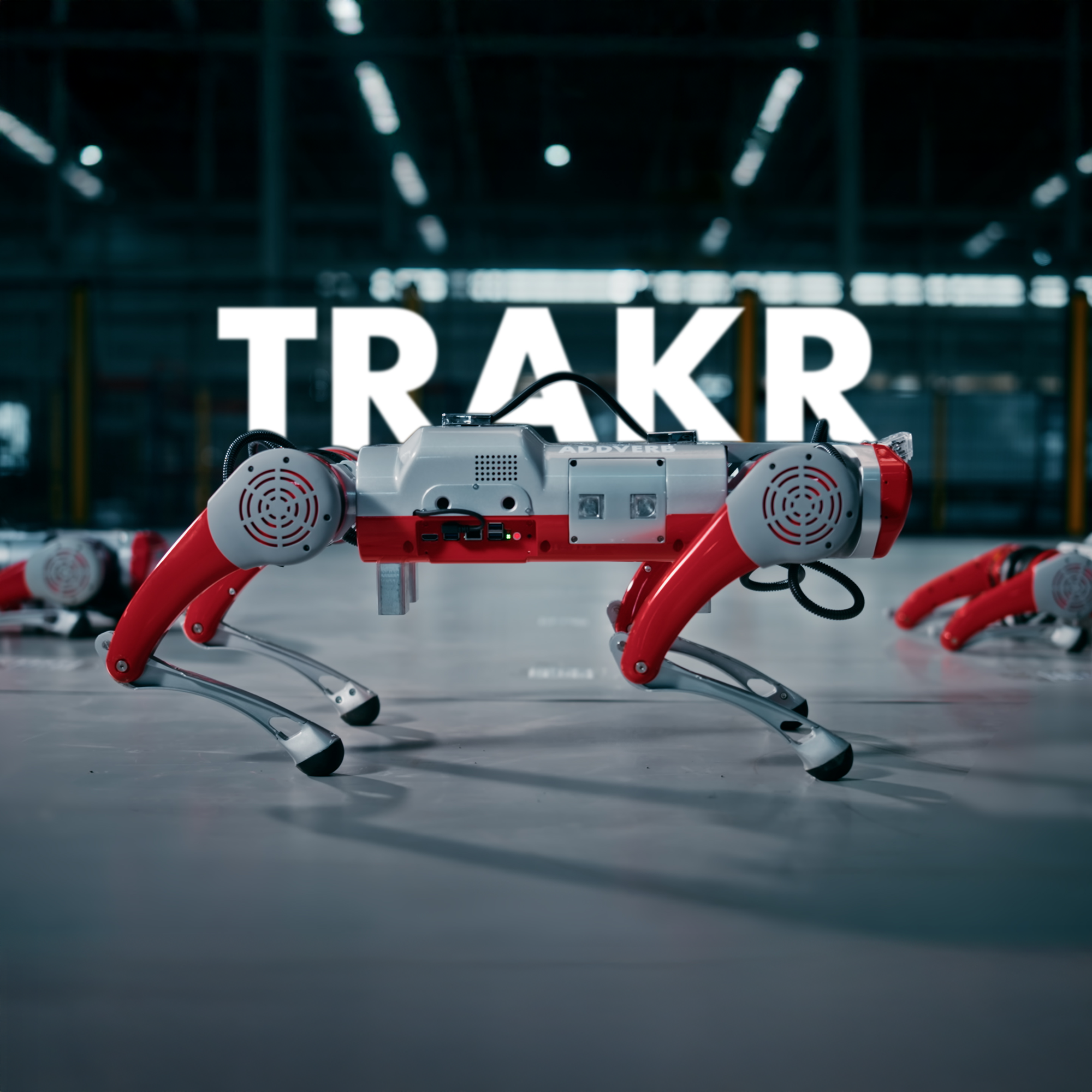
In 2024 we built Addverb's Trakr entirely in 3D. In 2025 we put a real camera in front of it. Same robot, same client, two completely different productions. The reason they were different is the single most useful thing we can hand to any robotics company deciding how to launch a product.
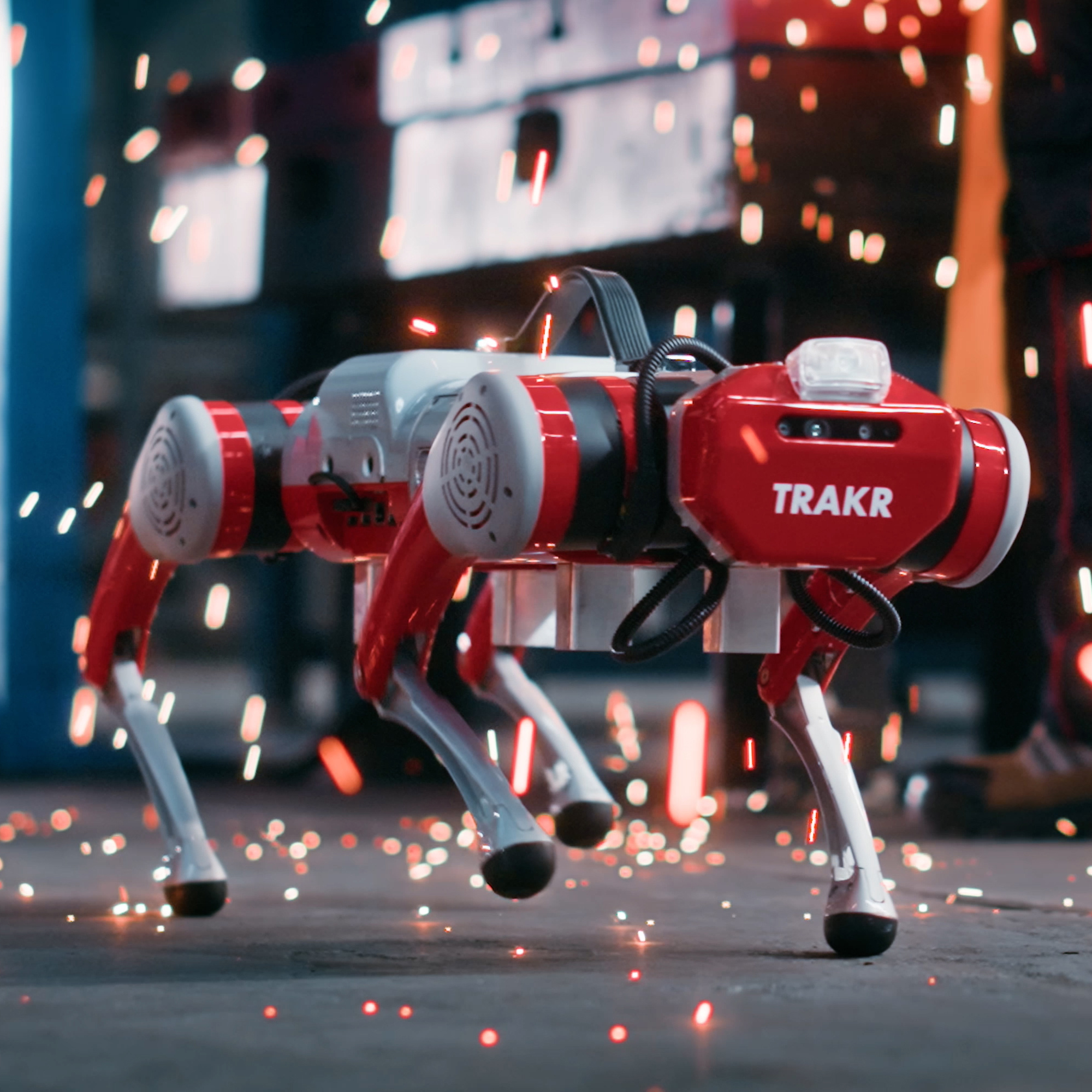
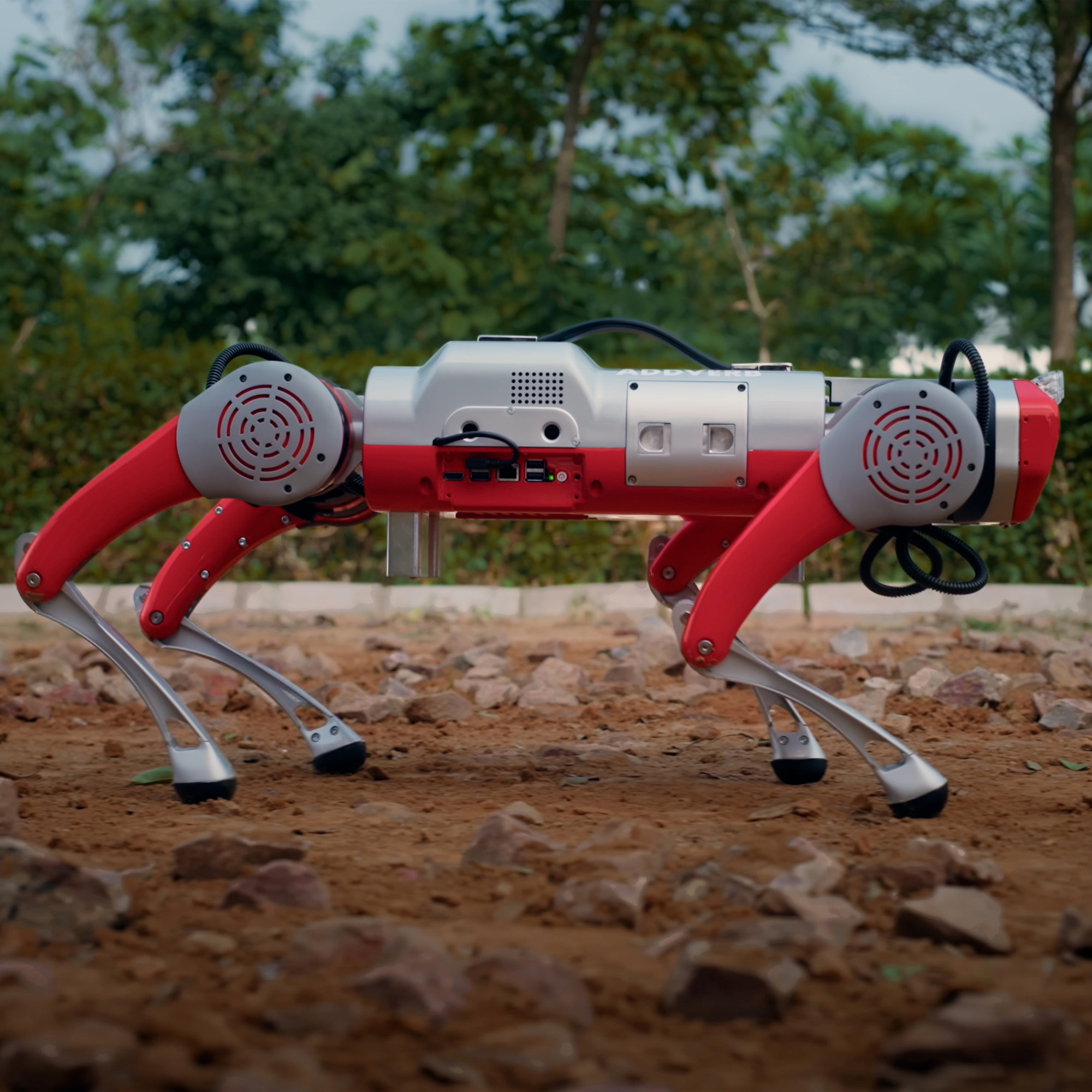
Trakr is an AI-driven quadruped built for warehouse and industrial environments. Its value lives in movement — how it walks, where it can go, what it does when the floor changes underneath it. That is difficult to put in a photograph and close to impossible to put in a spec sheet. What changed between the first film and the second was not the brief and not the audience. It was the maturity of the hardware.
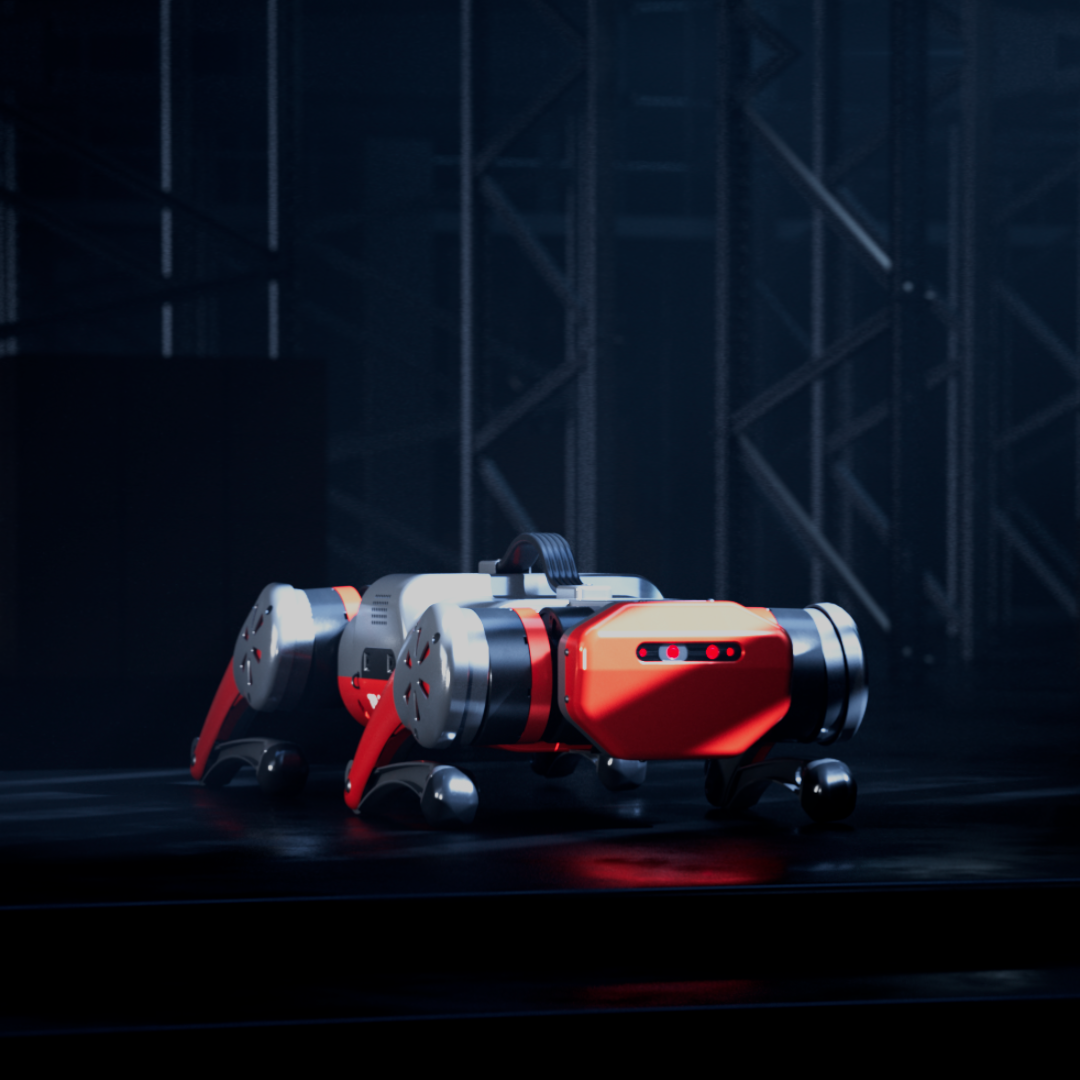
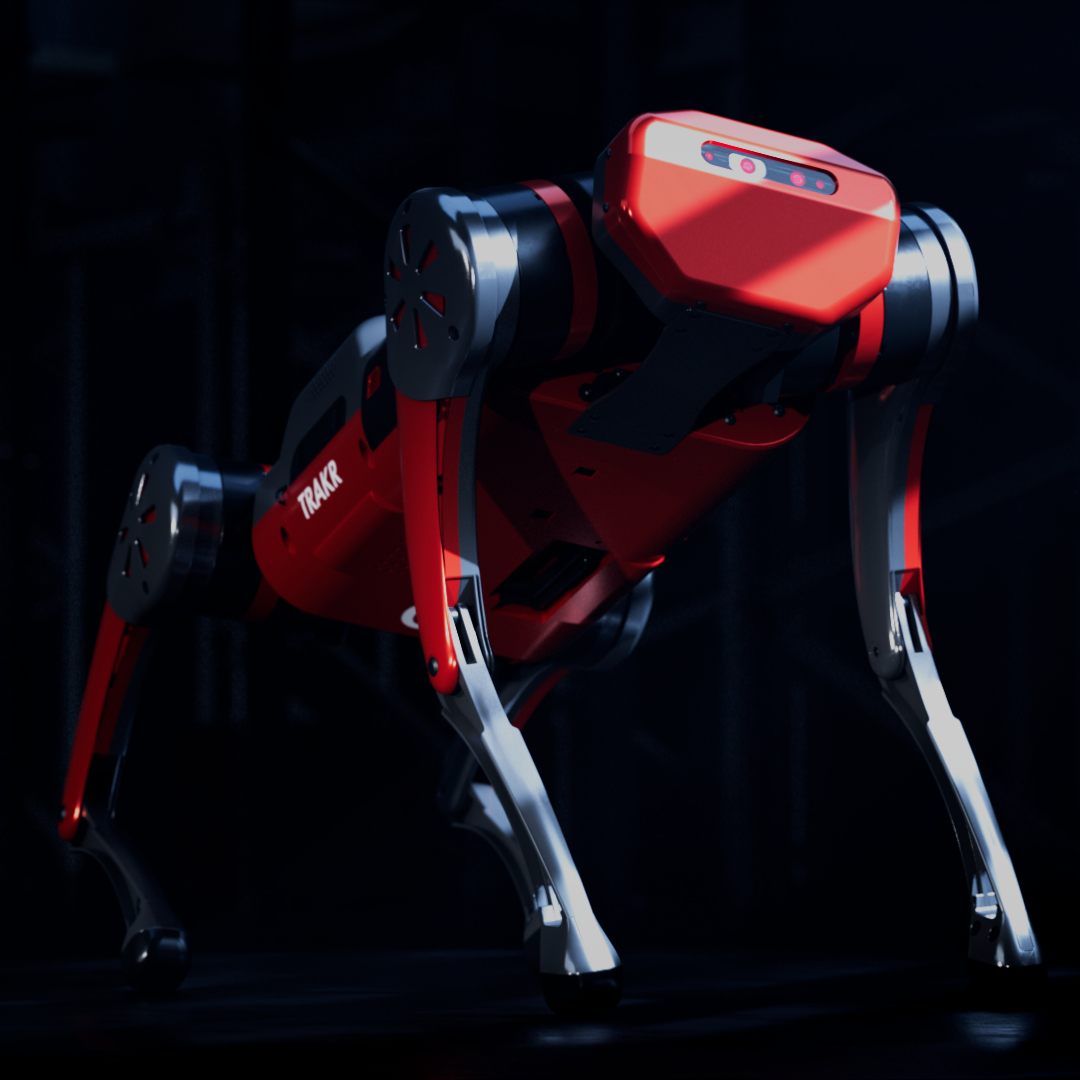
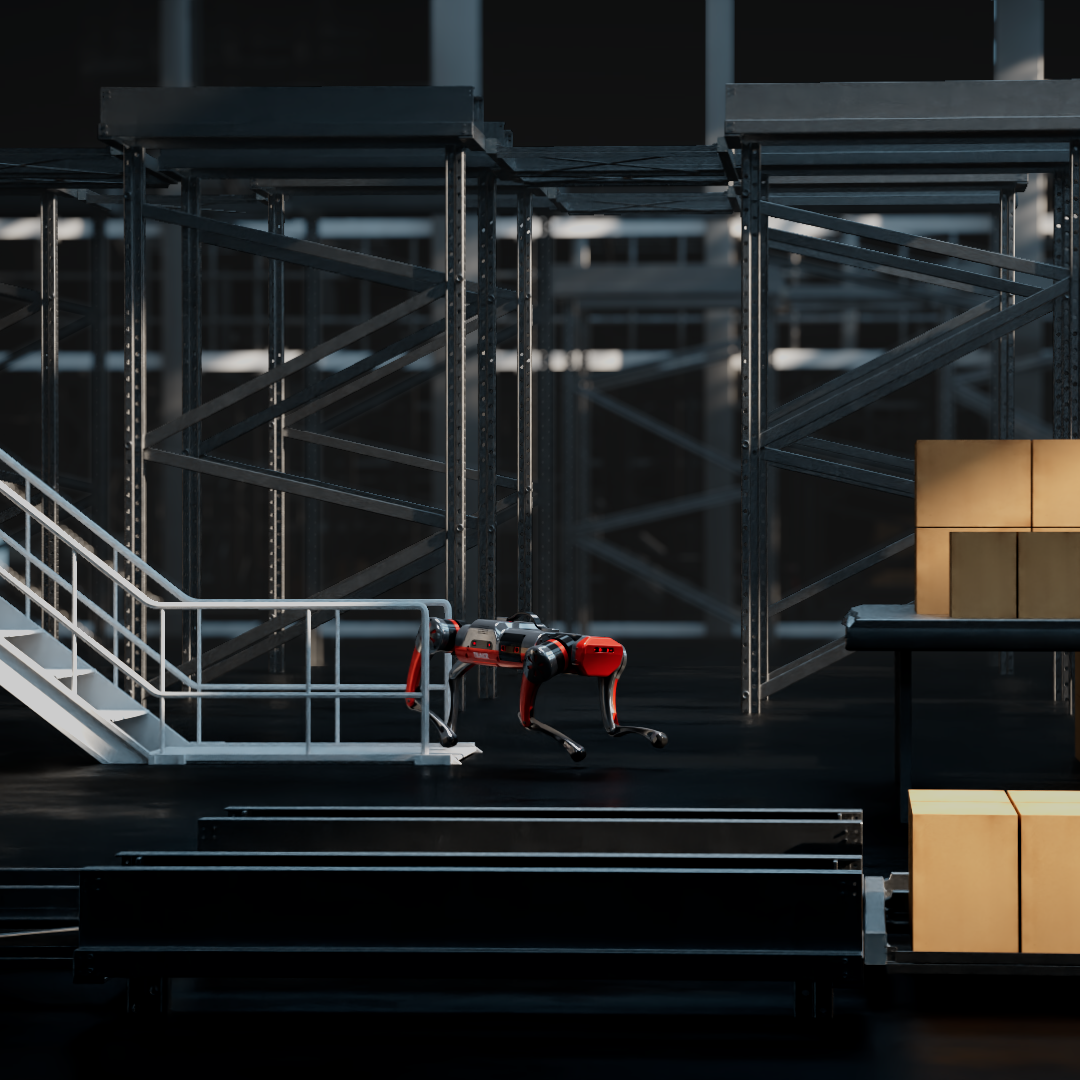
The first Trakr film was a ten-week 3D production built in Cinema 4D, with motion graphics and finishing in After Effects. We started where the engineering team finished — CAD and STEP data — and rebuilt that geometry as a render-ready asset with physically accurate materials and brand-correct colour.
Going fully digital solved four problems in one move:
We treated it as a technical communication problem first and a visual effects problem second. Interface and motion-graphic overlays carry the technical information so the film never becomes an engineering presentation. The robot is the protagonist; the environments exist to demonstrate what it can handle. Project complexity landed at 8/10.
A fully CG film has one persistent weakness in hardware marketing: a sceptical buyer knows they are looking at a render. For a prototype that is fine — nobody expects otherwise. For a commercial product being sold to procurement teams and plant managers, it starts to matter. At some point the market needs to see that the thing is real, that it exists, that it holds weight and casts a shadow.
By 2025, Trakr was that product. So the second film was built the other way round.
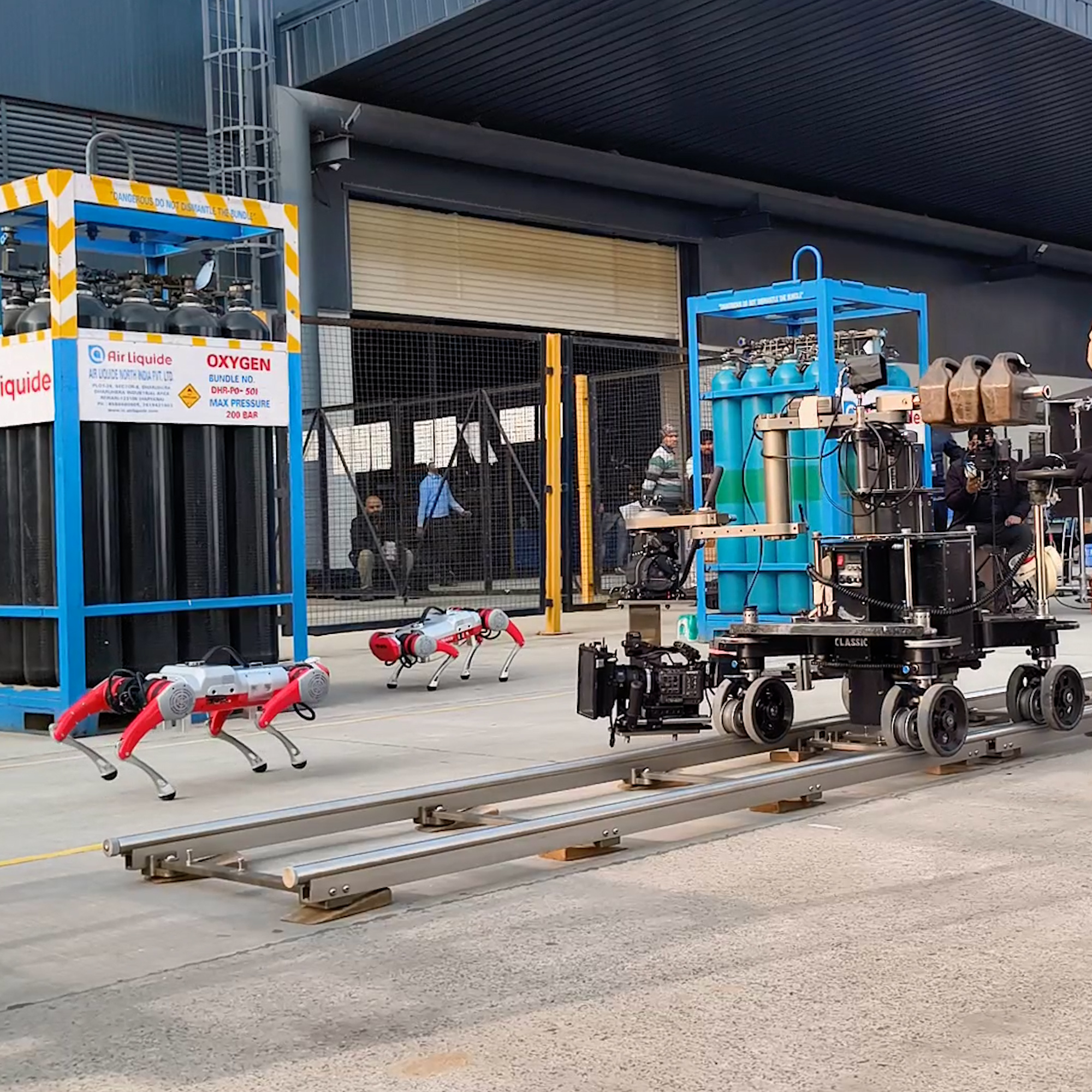
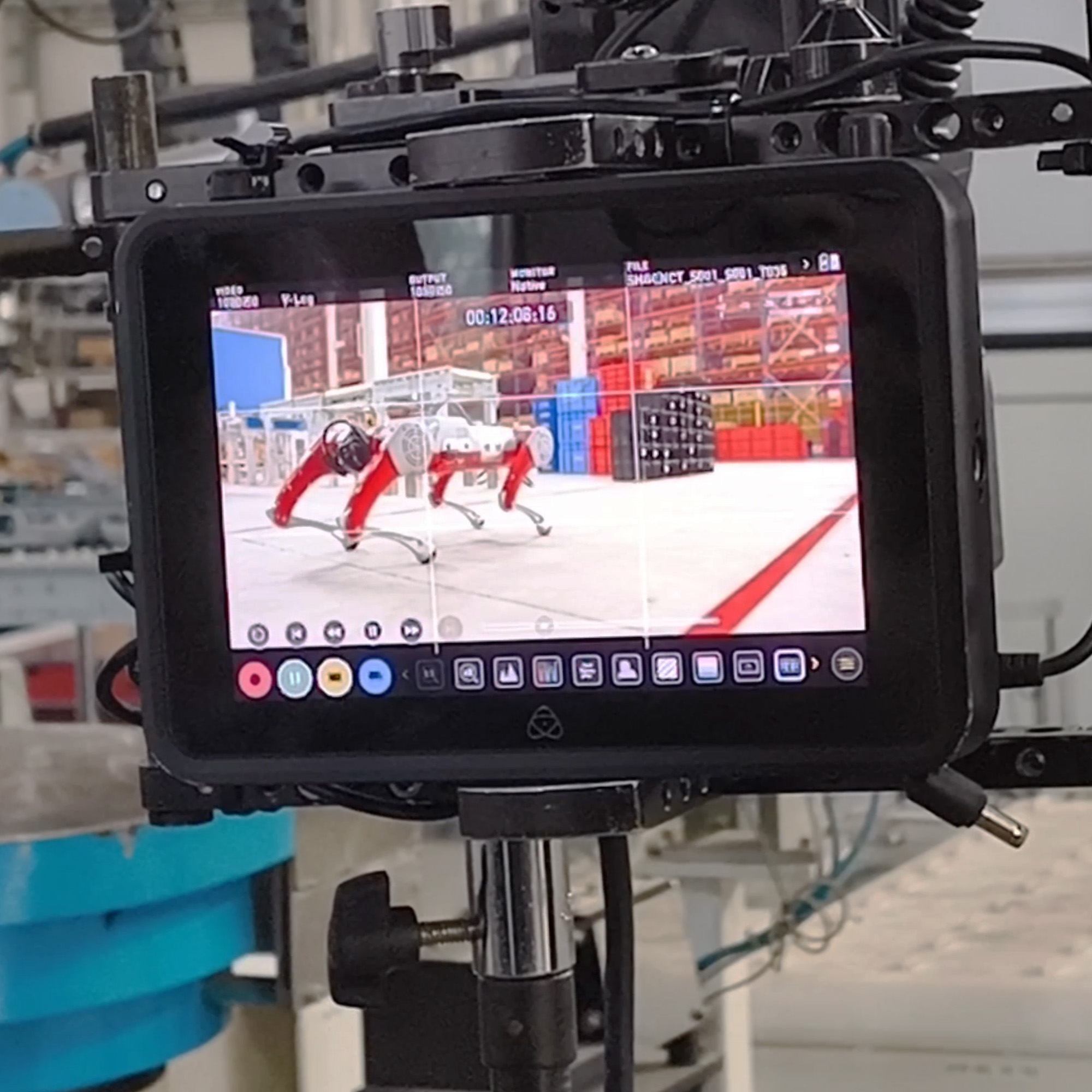
The second Trakr film was a four-to-six week live-action and VFX production. Live action established the physical presence of the robot and the space around it. Visual effects then extended that environment into something more cinematic than the location alone could deliver.
The split of responsibilities was deliberate: live action created physical credibility, VFX created creative freedom. Production stayed anchored to real product footage while still introducing elements that would have been impractical or unsafe to stage for real.
Crew and credits: Client, Addverb Technologies. Production, Hyve Studio. Director, Nipun Sharma. Technical and Art Direction, Kartik Dutta. Line Production, Going Rogue (Faraz Khan). DOP, Mayank Gupta. Assistant DOP, Shivek Sobti. Production Management, Shivam Joshii and Bhismak. Project Coordination, Naveen Singh. CGI and VFX, Aman Kala and Sachin SK. Grade, 2XP Post. Complexity again 8/10 — but for entirely different reasons.
The outcome was a film that positioned Trakr as a commercial robotics product rather than a technical prototype. That repositioning was the whole point, and it is not something a render can do on its own.
Robotics clients ask us some version of the same question every month: do we animate it or do we shoot it? Having produced the same robot both ways, here is how we answer.
Choose CGI when:
Choose live-action when:
The two Trakr films were not competing versions. They were the right film for two different moments in one product's life. CGI carried the launch, when the story was potential. Live action carried the commercialisation, when the story became proof.
Most robotics companies we work with will need the same sequence, because most robotics companies go through the same transition: from a CAD file that needs explaining to a product that needs believing. Budgeting for one film and hoping it covers both stages is where the money usually gets wasted. Planning a CG launch asset in year one and a live-action credibility asset in year two is a far more efficient use of the same spend.
If you are somewhere in that transition and unsure which film your product needs right now, send us the brief and the hardware timeline. We will tell you which one we would make, and which one we would wait on.
More blog articles coming soon! Please keep checking this page for updates. The articles, commentary, technical breakdowns, and creative opinions expressed on this blog belong solely to the respective writers and creators. These insights are shared for informational, educational, and inspirational purposes only. Animation techniques, industry standards, software pipelines, and market trends change rapidly. Therefore, readers must exercise due diligence and verify technical or business strategies independently before applying them to their own creative pipelines or commercial operations.

