
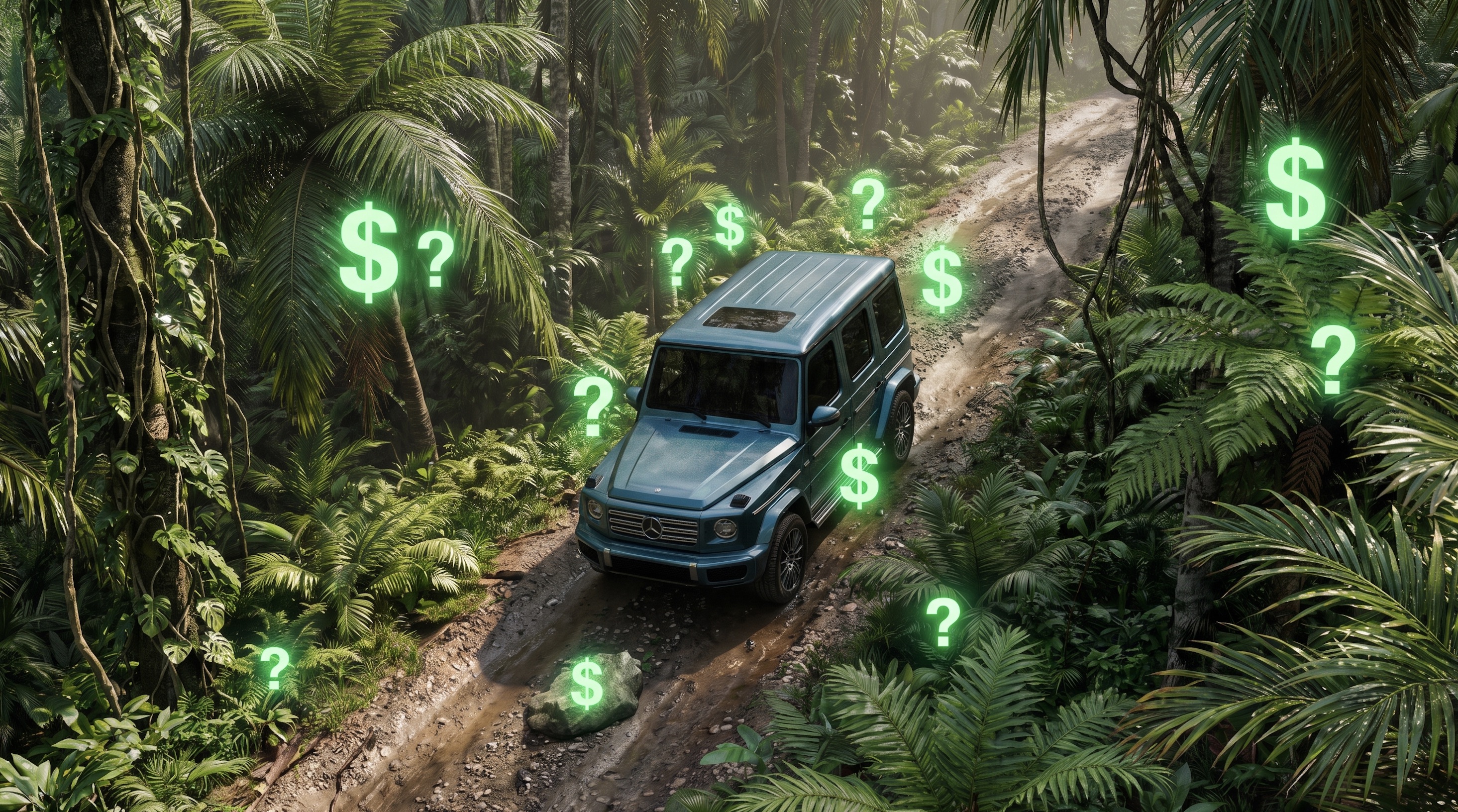
Quick answer: 3D animation is usually priced per finished minute. For 3D product animation, expect roughly USD 1,000 per minute at freelancer level to USD 50,000+ per minute at a large agency. Character-led films with custom worlds cost more, up to USD 60,000+ per minute. Where your project lands depends on what you need the animation to do, who makes it, and where they are based.
The longer answer: it varies. The service itself consists of multiple sub services that fall under the umbrella term of 3D Animation, broadly broken down into Pre-production, Production and Post Production. Pre-production includes concept development, scripting, storyboarding, project planning and asset exchange. Production, the biggest cost factor, includes asset preparation, modelling, texturing, environment modelling and texturing, character modelling, texturing and rigging, animation, lighting and rendering. Post production puts it all together with compositing and editing, sound design, colour grading and mastering. In most situations, you also have additional post production edits for social assets, cutdowns and aspect ratio adapts.
Each of these sub services has a cost associated with it. They can broadly be broken down into fixed costs and variable costs. Fixed costs are tied to elements that need to be prepared once, and variable costs are directly related to the duration of the final video or the duration of that specific service. For example, a 3D character has to be modelled, textured and rigged only once, but the character animation depends on the actions it has to perform throughout the video. So the modelling costs are fixed, while the animation costs are variable.
The answer falls within a range. There are studios that have individual artists for each stage and sub service, and there are studios and freelancers that are 3D generalists, able to handle more than one role at any given time. A studio with individual artists for each sub service will generally be more expensive than a studio with a few generalists working multiple roles, but the specialisation leads to more refinement and higher detail, which more often than not shows up as better work. That is not to say generalists don't do amazing work. Choosing who is right for you comes down to a question that doesn't get asked enough.
Before asking how much 3D animation costs, you need to ask why you need 3D animation. Are you making a cinematic film with imaginary or fantasy characters and worlds? Do you have a product prototype that isn't fully ready, but you want the idea explained? Or, if your product exists, is there a reason it can't be filmed with a real camera? Often the answer to how much a 3D animation costs lies in the answer to that question. Once you answer 'why', you can naturally decide how much to spend.
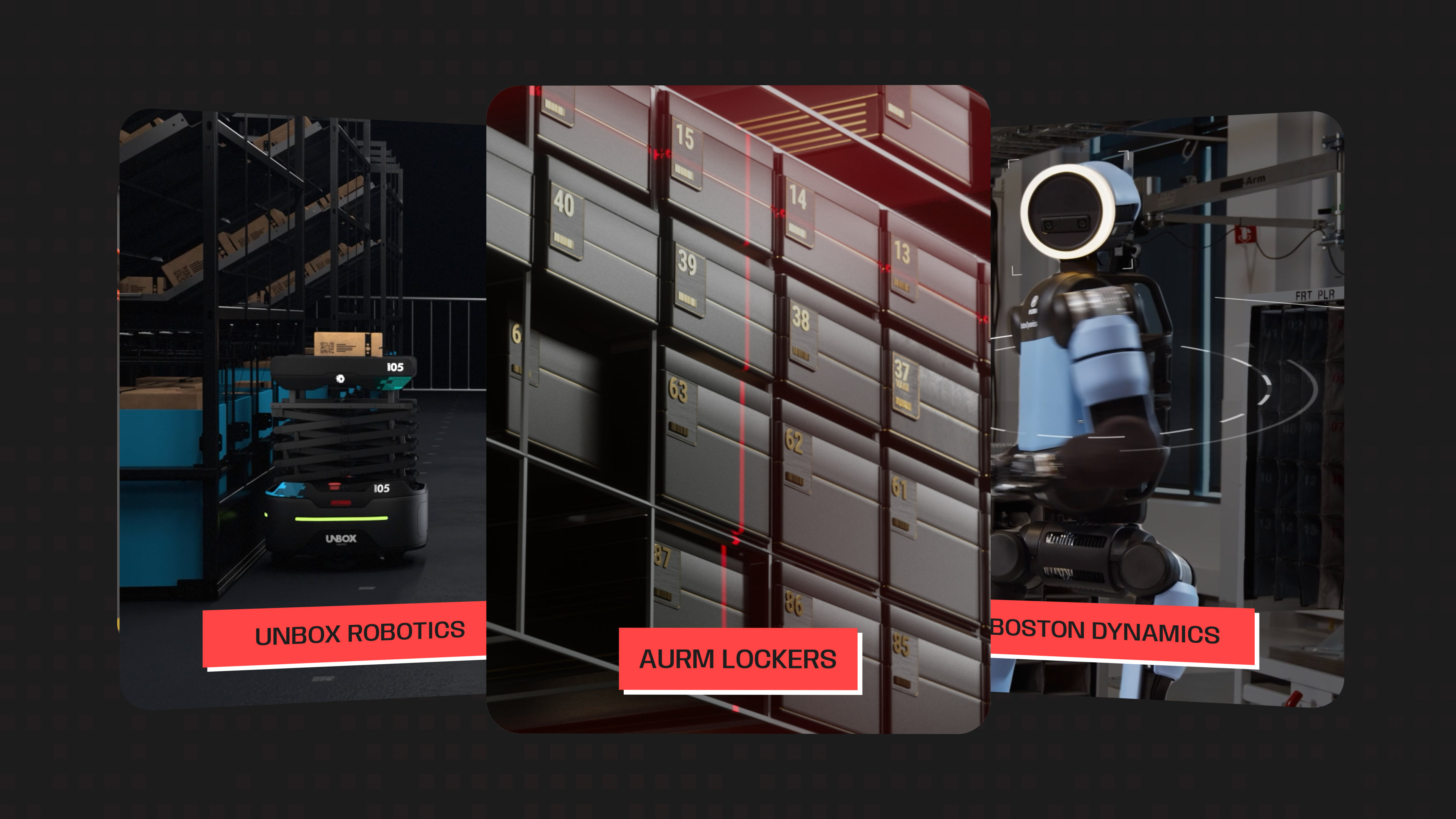
Our 2026 robotics showreel below is that question answered shot by shot. It combines 3D animation, CGI, VFX and live-action film for robotics and industrial technology brands such as Addverb, Unbox Robotics and GreyOrange. Each shot uses whichever medium shows the machine best, including the parts a camera can't capture. As you watch, try to spot which shots are rendered and which are filmed. That choice is where most of a budget gets decided.
Hyve Studio Robotics Showreel 2026. Project details are on the showreel page.
The following scenarios break down what each kind of project costs.
I have a very specific vision for an animated short film similar to the Lion King, where in a magical but realistic animal kingdom, two creatures fight for survival and dominance. I want extreme control over the design and story, which I want designed frame by frame, scene by scene. I want the ability to quickly change elements in a scene if required, or tweak motion and movements.
This is asking for costs for a cinematic 3D short film. Let's break this down and answer a few questions.
Why do you need animation?
Since these are fantastical creatures and environments, they simply don't exist in the real world. The only options for telling this story are AI or animation.
Can we use AI for this?
AI is viable for this, but there are a few areas where a completely AI-based workflow might not be the right choice. AI is poor at keeping characters, environments and physical motion consistent. Once generated, it is hard to modify or tweak parts of the film without a long trial-and-error process. For that level of control, the recommended method is 3D animation.
How much will this 3D animation cost?
The fixed costs will be the costs associated with:
Variable costs associated with this would be:
This is not an exhaustive list. Prices depend on the qualifications and portfolio of the studio or artists executing it. The ranges below cover production only: no distribution, promotion or PR, and no celebrity voice performances. For context, major feature-animation studios spend many times more per second than anything shown here. The breakdown is for a 3-minute festival or portfolio short with character animation and detailed backgrounds.
Cinematic 3D short film: cost per minute and timeline for the full film
These costs have many assumptions baked in. At the freelancer tier, you're getting a maximum of 2 to 3 people covering every aspect of design. Realistically, the output will more often be a stylised treatment than a photorealistic one. There are real bandwidth limits on complex projects like this, and the price reflects that.
At the second tier, you get a small but specialised 5 to 15 person team, who often outsource parts of the production to other specialists. The quality is premium and distinctive, a few notches above freelancers, but compared to large agencies or studios you will see small compromises.
At the large studio or agency level, you have highly skilled people for each sub service, producing animation that sets industry benchmarks. The pricing gap between tiers is not just the sum of the people deployed. It also reflects creative differentiation and portfolio, which let larger studios charge a premium, along with parallel workflows, specialised project management teams and render farms.
The location of the studio also heavily influences CGI production costs. A studio in Los Angeles will have higher standard rates, sometimes almost 5X the cost of a similar sized studio in India offering the same services and quality.
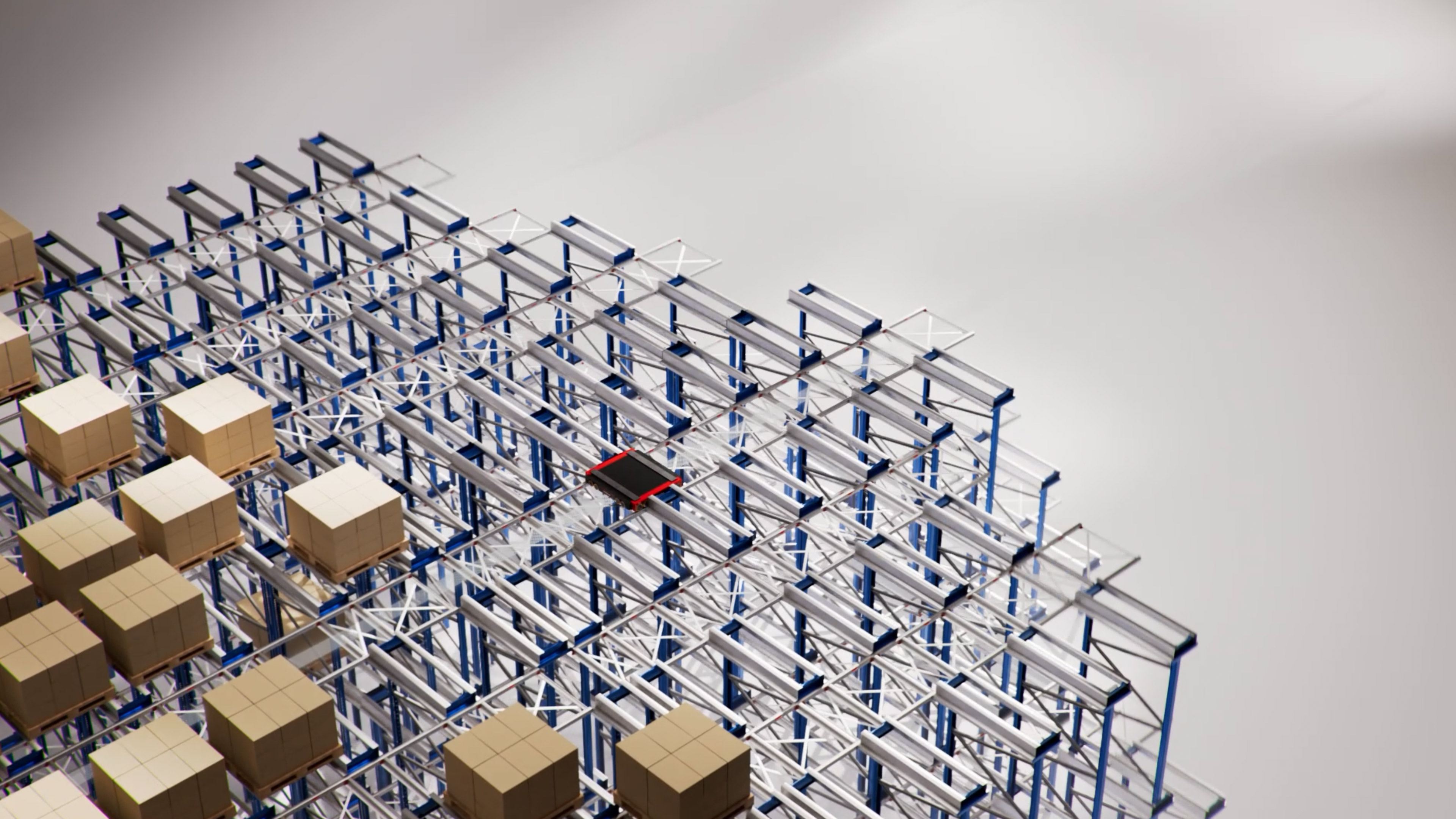
I have a new product prototype, such as a robot, a machine or a piece of industrial equipment, that I want to pitch to potential investors or customers. I have the CAD or 3D concept files ready, along with company branding and guidelines. I want to show my product in different environments and call out its features and metrics throughout the video. The video will be no more than 60 seconds and has no human or organic characters.
This is asking for a 3D product animation video. Let's break this down and answer a few questions.
Why do you need animation?
Since this product only exists as a prototype, the only options for showcasing it are AI or animation.
Can we use AI for this?
AI is viable here as well, and a hybrid approach might be the best solution. Since the product is still a prototype, the audience needs to understand its potential rather than dissect whether it exists in reality. The recommended method is to combine 3D animation and AI: use the 3D CAD files for consistent, accurate product visuals, and use AI to build background assets and environments that can be generated quickly. Motion design tools then call out features and metrics and composite everything into one cohesive story.
How much will this animation cost?
The fixed costs will be the costs associated with:
Variable costs associated with this would be:
3D product animation: cost per minute and timeline per finished minute
Since CAD-based and industrial modelling is relatively easier to navigate than organic characters and models, overall costs stay lower. If custom animated characters were added, costs would go up on top of standard 3D product animation rates. And if 3D files for the prototype are not available and the product has to be modelled from scratch, fixed costs rise too, depending on the complexity of the product and its mechanisms.
This is the kind of project robotics and automation companies bring to us most often, and the 3D shots in the showreel above are examples of it. You can see how it plays out over a long engagement in our Unbox Robotics case study, or in a single launch film for Addverb's Trakr robot. More examples are on our robotics and deep-tech work page.
I have a product that I need to advertise with short 30-second videos across social media. I need 4 videos. It's important that viewers understand how users interact with the product. I want to go with animation as I think it might be cheaper than shooting video.
Let's break this down and answer a few questions.
Why do you need animation?
If the assumption is that animation will be cheaper, that assumption is wrong. Different people will give different answers here. A freelance animator will quote and attempt to animate the work, but the real question is whether animation is even the right medium. If the intention is clear, in this case that viewers understand how people interact with the product, you might want to consider shooting video instead. Within video production there are pricing and quality tiers as well. A real video, even if shot on a phone, will often do more justice to a real product than an animated one, especially when you want to show real people. All other things being equal, animation is not cheaper than video. It requires patience, skill and, most importantly, a clear reason for being the right medium for your story.
It also doesn't have to be one or the other. The showreel at the top of this post mixes both: live action where the real-world setting matters, and CGI for what a camera can't capture. We weighed exactly this choice for one robot launch, and made both films. Read One Robot, Two Films: Choosing Between CGI and Live-Action to see how the two compare. If animation is still the right call, the product animation ranges in Scenario 02 apply.
How much does a 30-second 3D product video cost?
Don't simply halve the per-minute rate. Fixed costs such as CAD preparation, texturing and environments stay the same whatever the length, so shorter films cost more per second. Use the Scenario 02 ranges as a guide and expect the fixed costs to make up a larger share of the total.
How long does 3D animation take?
For product animation, plan on roughly 1 to 2 months per finished minute, depending on the team. Character-led films with custom worlds take longer, from about 1 to 5 months for a 3-minute short depending on team size.
Is 3D animation cheaper than filming?
Usually not, all other things being equal. Choose animation when the product isn't built yet, can't be filmed, or when you need to show what happens inside it. Often the strongest film combines the two, as the showreel above does.
Why do quotes for the same brief vary so much?
Team size and specialisation, portfolio and creative reputation, and location. A studio in Los Angeles can cost almost 5X a similar sized studio in India for the same services and quality.
What should I send to get an accurate estimate?
CAD or STEP files if you have them, brand guidelines, the length of the main film, the cutdowns and aspect ratios you need, and your deadline.
If you are looking for an animated product video and are not sure which medium or tier fits your project, send us your brief or project overview, and we will map out a custom production plan and estimate for you.
More blog articles coming soon! Please keep checking this page for updates. The articles, commentary, technical breakdowns, and creative opinions expressed on this blog belong solely to the respective writers and creators. These insights are shared for informational, educational, and inspirational purposes only. Animation techniques, industry standards, software pipelines, and market trends change rapidly. Therefore, readers must exercise due diligence and verify technical or business strategies independently before applying them to their own creative pipelines or commercial operations.

